
What the Eastern Cape can teach the World about 2026
As another year closes, I find myself doing what historians do instinctively. I look backwards in order to understand what lies ahead.
The past year has been one of steady momentum, quiet challenges, and unexpected triumphs. It has been shaped by muddy boots on frontier paths, long conversations under Eastern Cape skies, research rabbit holes that began with a single name and ended in a web of human contradiction, and the ongoing effort to tell South African history honestly without polishing its rough edges.
Running history tours and talks is not simply about dates and battles. It is about people, loyalty tested under pressure, choices made when there were no good options, and the way landscapes remember what we sometimes try to forget. This year reminded me how hungry people are for those deeper stories. Not the easy narratives, but the uncomfortable ones that force us to ask who we are and how we arrived here.
One of the recurring challenges has been navigating complexity. South African history resists simplicity.
Whether we are talking about frontier wars, the tangled loyalties of figures like Hans Lötter, or the uneasy alliances that shaped the Eastern Cape, the past refuses to line up neatly. That can be frustrating in a world that prefers slogans over nuance. Yet it is also our greatest strength. Complexity builds resilience, both in historical understanding and in the present moment.
There have been triumphs too. Seeing people step away from the noise of modern life and walk the same mountain passes as Maqoma, or stand in places where decisions were made that still echo today, has been deeply affirming. Each tour is a reminder that history lives in the ground beneath our feet. It is not locked in archives. It breathes when we engage with it properly.
South Africa’s story is not peripheral to global history. It is a concentrated version of the forces shaping the world now.
This year also reinforced something I believe strongly. South Africa’s story is not peripheral to global history. It is a concentrated version of the forces shaping the world now. Competition for land and resources. Cultural collision and adaptation. Resistance, compromise, and survival. These are not relics of the nineteenth century. They are ongoing themes playing out on the world stage.
As we look toward 2026, the parallels become even clearer. The world is entering a period of heightened uncertainty. Political alliances are shifting. Old empires of influence are weakening. New power blocs are emerging, often clumsily and sometimes dangerously. Economic pressure is reshaping societies, and identity is once again becoming a battleground.
South African history offers a cautionary tale and a quiet lesson here. On the Eastern Cape frontier, conflict rarely erupted without warning. There were always signals first. Broken treaties. Misunderstandings hardened into grievances. Leaders who mistook control for legitimacy. When dialogue failed, violence followed, and everyone paid the price.
Globally, we are seeing similar fault lines reappear. Nations are drawing harder borders, both physical and ideological. Loyalty is being demanded rather than earned. History tells us that these moments test societies profoundly. They expose weaknesses, but they also reveal unexpected strength.
One of the most striking lessons from our past is endurance. Despite repeated wars, forced removals, economic collapse, and political upheaval, communities adapted.
They carried stories forward when written records failed. They rebuilt social bonds in new forms when old systems collapsed. That capacity to endure without losing identity is something the modern world will need in abundance.
Another lesson is humility. Many historical disasters began with certainty. The certainty that one side was right. That the future was inevitable. That force could resolve what understanding could not. South African history is littered with the consequences of that thinking.
If 2026 teaches the world anything, I hope it is that certainty is not strength.
Curiosity is.
As we move into a new year, my hope is to keep creating spaces where people can slow down and think historically. Not nostalgically, but critically. To ask better questions. To listen to voices that history tried to silence. To recognise that the past is not finished with us yet.
The road ahead will not be smooth, locally or globally. But history reminds us that turbulence is not the end of the story. It is often the beginning of transformation. The Eastern Cape has taught me that landscapes shaped by conflict can also become places of reflection and renewal. The same may yet prove true on a global scale.
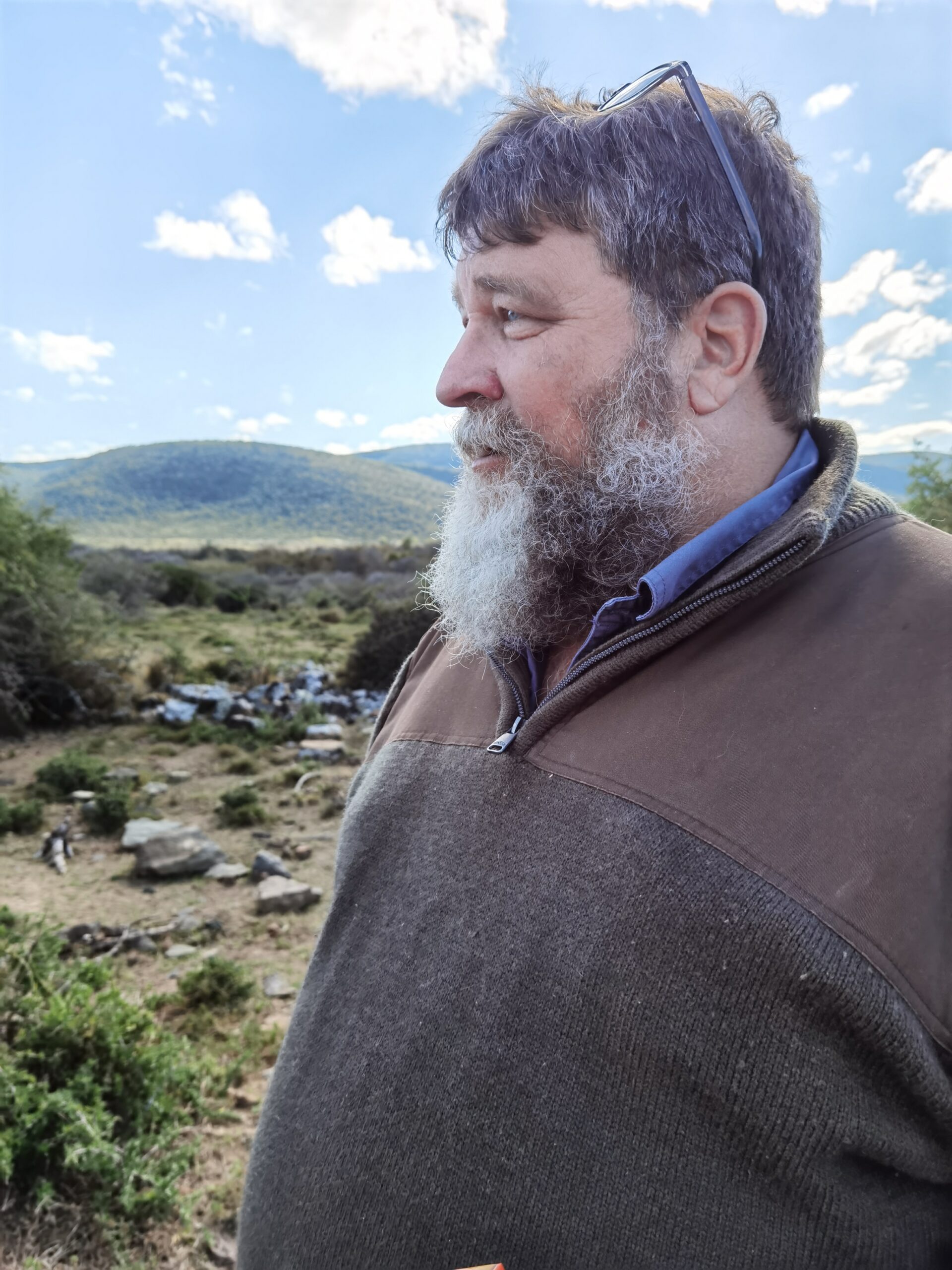
– Alan Weyer